The adoption of pyrolysis technology is reshaping industrial landscapes while stimulating socioeconomic benefits at the community level. By converting waste materials into valuable fuels and byproducts, these facilities not only address environmental challenges but also act as catalysts for local employment generation and green industry development. From large-scale installations to small-scale systems, the impact of pyrolysis extends well beyond waste reduction.
Employment Across the Value Chain
The establishment of an oil sludge pyrolysis plant requires skilled and semi-skilled labor across construction, installation, and commissioning phases. Local contractors, engineers, and technicians are engaged in setting up infrastructure, ensuring immediate job creation. Once operational, roles expand to include equipment operators, quality assurance personnel, logistics staff, and maintenance teams. Ancillary sectors such as feedstock supply, transport, and product distribution also benefit, further multiplying employment opportunities within the region.

Small-Scale Technology and Community Integration
In regions with limited industrial capacity, small scale pyrolysis equipment plays a particularly significant role. These systems can be integrated into local waste management frameworks, offering employment for operators and technicians at the community level. By processing smaller waste streams efficiently, such equipment provides a decentralized solution that complements large plants while stimulating grassroots economic activity. This localized model fosters entrepreneurship and strengthens self-sufficiency in waste-to-energy initiatives.
Industrial Diversification and Skill Development
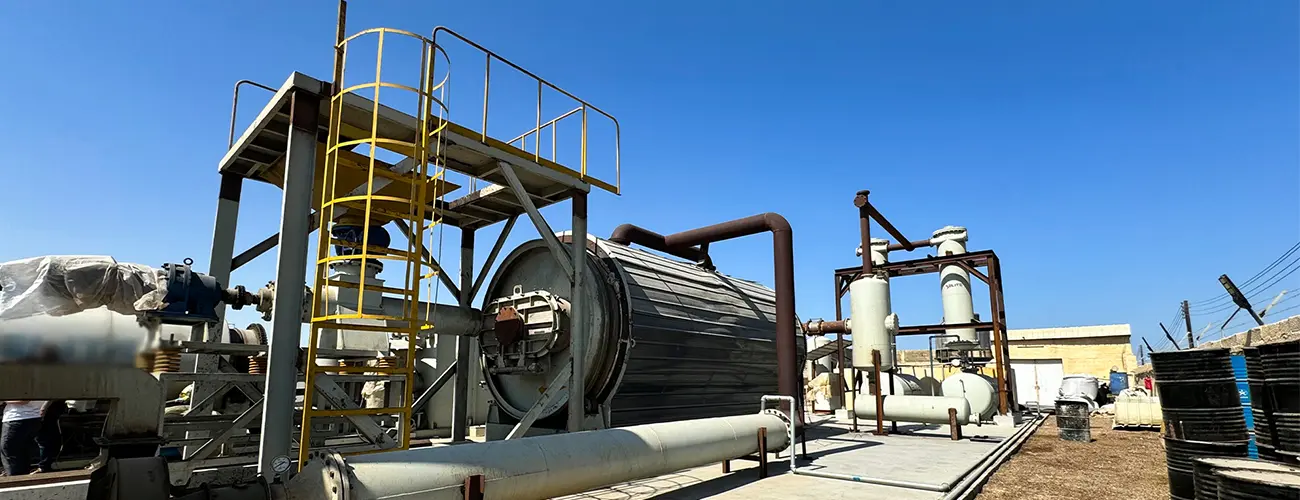
Pyrolysis fosters industrial diversification by establishing new avenues for green manufacturing. A continuous pyrolysis plant, for instance, not only produces pyrolysis oil, gas, and carbon black but also creates demand for specialized services in chemical refining, materials handling, and energy generation. The technology drives capacity building, as workers gain expertise in advanced thermochemical processes and sustainable energy systems. These skill sets enhance regional competitiveness in emerging green industries.
Technology Transfer and Market Expansion
The global trade of pyrolysis equipment, including advanced systems such as a thermal desorption unit for sale, enables developing economies to access proven technologies. Local industries benefit from technology transfer agreements, training programs, and joint ventures. Such arrangements create employment while embedding knowledge that fosters long-term industrial resilience. Market expansion through export of pyrolysis products further strengthens local economies, linking them to international supply chains for renewable fuels and sustainable materials.
Contribution to Circular Economy Growth
A pyrolysis plant contributes directly to circular economy models by valorizing waste into marketable products. This process stimulates the establishment of downstream enterprises in packaging, agriculture, metallurgy, and energy. The proliferation of these industries broadens employment opportunities, while reinforcing regional economies with low-carbon production models. The synergy between waste valorization and green industry growth positions pyrolysis as a cornerstone in sustainable development strategies.
Conclusion
Pyrolysis technology demonstrates that environmental innovation and socioeconomic progress can advance together. Whether through deployment of small scale pyrolysis equipment, construction of a continuous pyrolysis plant, or integration of specialized systems like an oil sludge pyrolysis plant, each installation stimulates local employment and drives industrial diversification. With solutions ranging from community-based systems to global markets for a thermal desorption unit for sale, the sector’s contribution to green industry development is both immediate and enduring.